
Craniosacral Therapy: A Comprehensive Guide
Craniosacral therapy offers a gentle, soothing approach to healing. It works by using light touch to release tension deep in the body. This therapy helps improve the flow of cerebrospinal fluid, which supports the brain and spinal cord. I find it calming and uplifting, and many people experience relief from pain and stress after sessions. In this guide, I will walk you through what craniosacral therapy is, its uses, costs, and how to find a trusted practitioner.
What Is Craniosacral Therapy?
Craniosacral therapy is a hands-on technique. It focuses on the craniosacral system, which includes the membranes and fluid surrounding the brain and spinal cord. The therapist uses gentle pressure to feel the rhythm of this system. They then work to ease restrictions and improve movement.
The touch is very light, often no more than the weight of a nickel. This makes the therapy feel safe and relaxing. Many people describe the experience as deeply peaceful. The goal is to support the body's natural healing abilities.
This therapy can be used alongside other treatments. It is non-invasive and has few risks. That makes it a great option for people looking for holistic health solutions.

Uses of Craniosacral Therapy
Craniosacral therapy helps with many conditions. It is especially useful for those dealing with chronic pain, stress, or trauma. Here are some common uses:
Relieving headaches and migraines: The gentle touch can ease tension in the head and neck.
Reducing stress and anxiety: The calming effect helps balance the nervous system.
Improving sleep: Many find it easier to fall asleep and stay asleep after sessions.
Supporting recovery from injury: It can help release tightness and improve mobility.
Helping with chronic pain: Conditions like fibromyalgia and TMJ often respond well.
Enhancing emotional well-being: The therapy encourages relaxation and emotional release.
For example, someone with frequent migraines might notice fewer attacks after a few sessions. Or a person recovering from a car accident may find their neck pain lessens. The therapy works gently but deeply to restore balance.
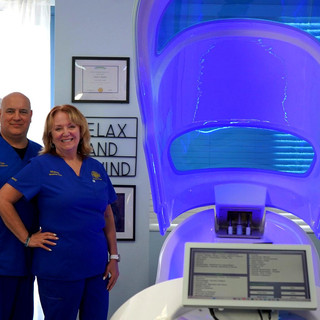
Looking forward to help at Keep Young Wellness

How Much Does a Craniosacral Therapy Session Cost?
The cost of craniosacral therapy varies. It depends on the location, the therapist’s experience, and the session length. On average, a session can range from $60 to $120.
Some clinics offer packages or discounts for multiple sessions. This can make ongoing care more affordable. Many insurance plans do not cover craniosacral therapy, so it is often an out-of-pocket expense.
When choosing a therapist, consider their training and reputation. A skilled practitioner can make a big difference in your experience and results. It is worth investing in quality care.
If you are new to this therapy, you might start with one or two sessions to see how your body responds. Then you can decide if you want to continue.

What to Expect During a Session
A typical craniosacral therapy session lasts about 45 to 60 minutes. You usually lie down fully clothed on a massage table. The therapist places their hands lightly on your head, neck, or back.
You may feel subtle movements or gentle pressure. The therapist listens to the rhythm of your craniosacral system. They use small adjustments to release tension and improve flow.
Many people feel deeply relaxed or even sleepy during the session. Some notice emotional shifts or a sense of lightness afterward. It is common to feel calm and refreshed.
After the session, the therapist may offer suggestions for self-care. This can include gentle stretches, hydration, or mindfulness practices.
How to Find the Right Craniosacral Therapist
Finding the right therapist is important. Here are some tips to help you choose:
Check credentials: Look for certified craniosacral therapists with proper training.
Read reviews: See what other clients say about their experiences.
Ask questions: Contact the therapist to learn about their approach and experience.
Consider comfort: Choose someone you feel comfortable with and trust.
Look for holistic care: Some centers, like Keep Young Wellness, offer personalized plans that combine craniosacral therapy with other wellness services.
Embracing Holistic Wellness with Craniosacral Therapy
Craniosacral therapy fits beautifully into a holistic wellness lifestyle. It supports emotional, chemical, and functional balance in the body. When combined with other healing methods, it can enhance overall health.
At Keep Young Wellness, the focus is on personalized care. They use advanced wellness technologies alongside therapies like craniosacral work. This approach helps people feel their best inside and out.
If you seek a gentle, effective way to improve your well-being, craniosacral therapy is worth exploring. It offers a calm, nurturing path to healing that respects your body’s natural rhythms.
I encourage you to take the first step. Find a skilled therapist, try a session, and notice how your body responds. You may discover a new level of peace and balance.
Thank you for reading this guide. I hope it helps you understand the many benefits of craniosacral therapy. Remember, your journey to wellness is unique. Take it one gentle step at a time.


Comments